Research, built together.
We connect clinical experience with hearing science, engineering, anatomy, and new ways to learn.
See current research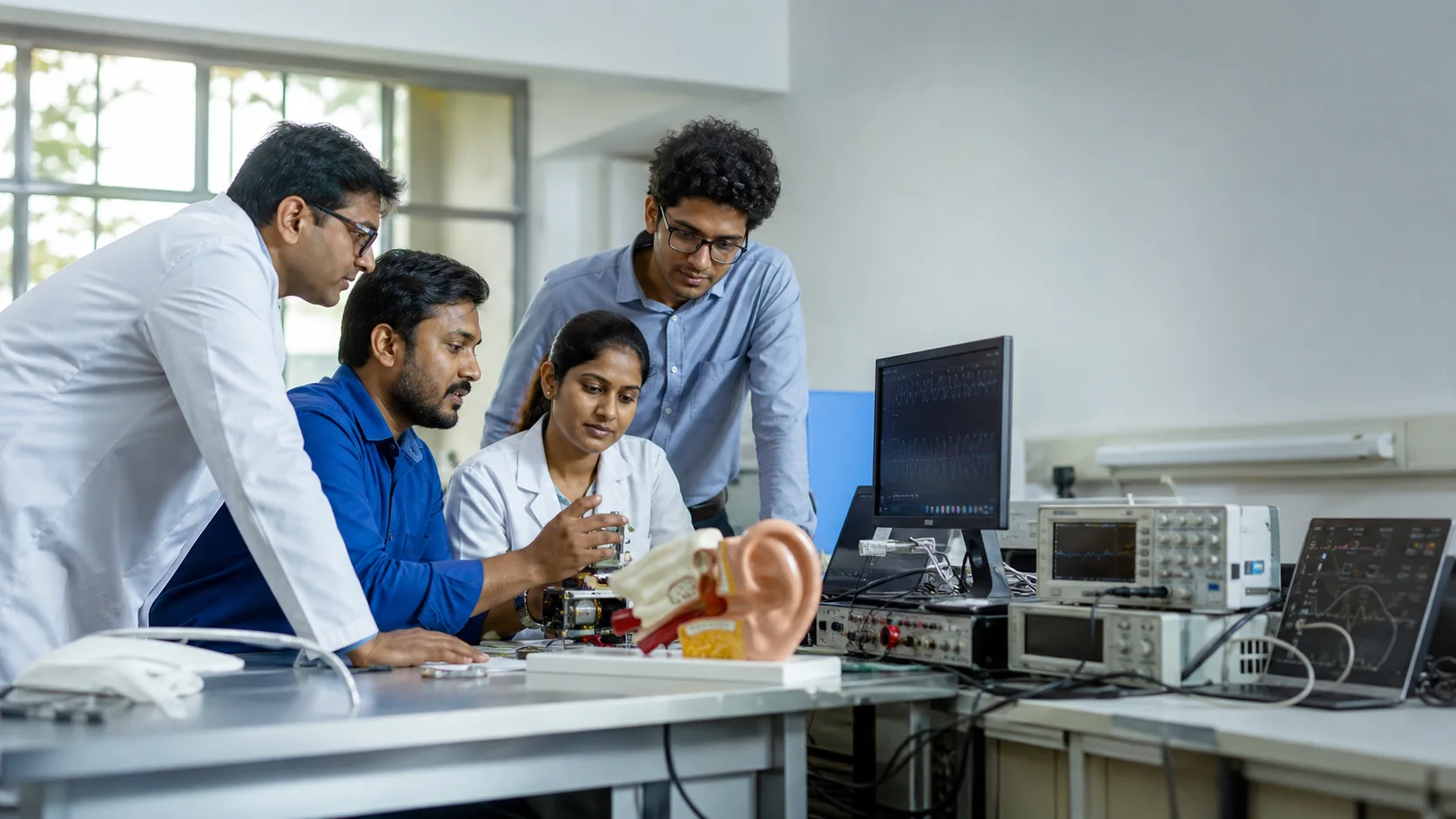
A center for questions that cross disciplines.
The Dandi Center for Hearing & Skull Base Innovation brings surgeons, scientists, engineers, educators, and institutions into the same research conversation.
Its purpose is collaborative: begin with needs observed in care, then examine them through clinical research, engineering, anatomy, and education.
Collaboration domains
- Hearing sciences
- Neurotology
- Skull base surgery
- Biomedical engineering
- AI-driven diagnostics
- Auditory response technologies
- Surgical simulation systems
Current work
Five areas named as current research.
These are the current areas identified in the Foundation source material. No study result, prototype, device, or clinical outcome is implied.
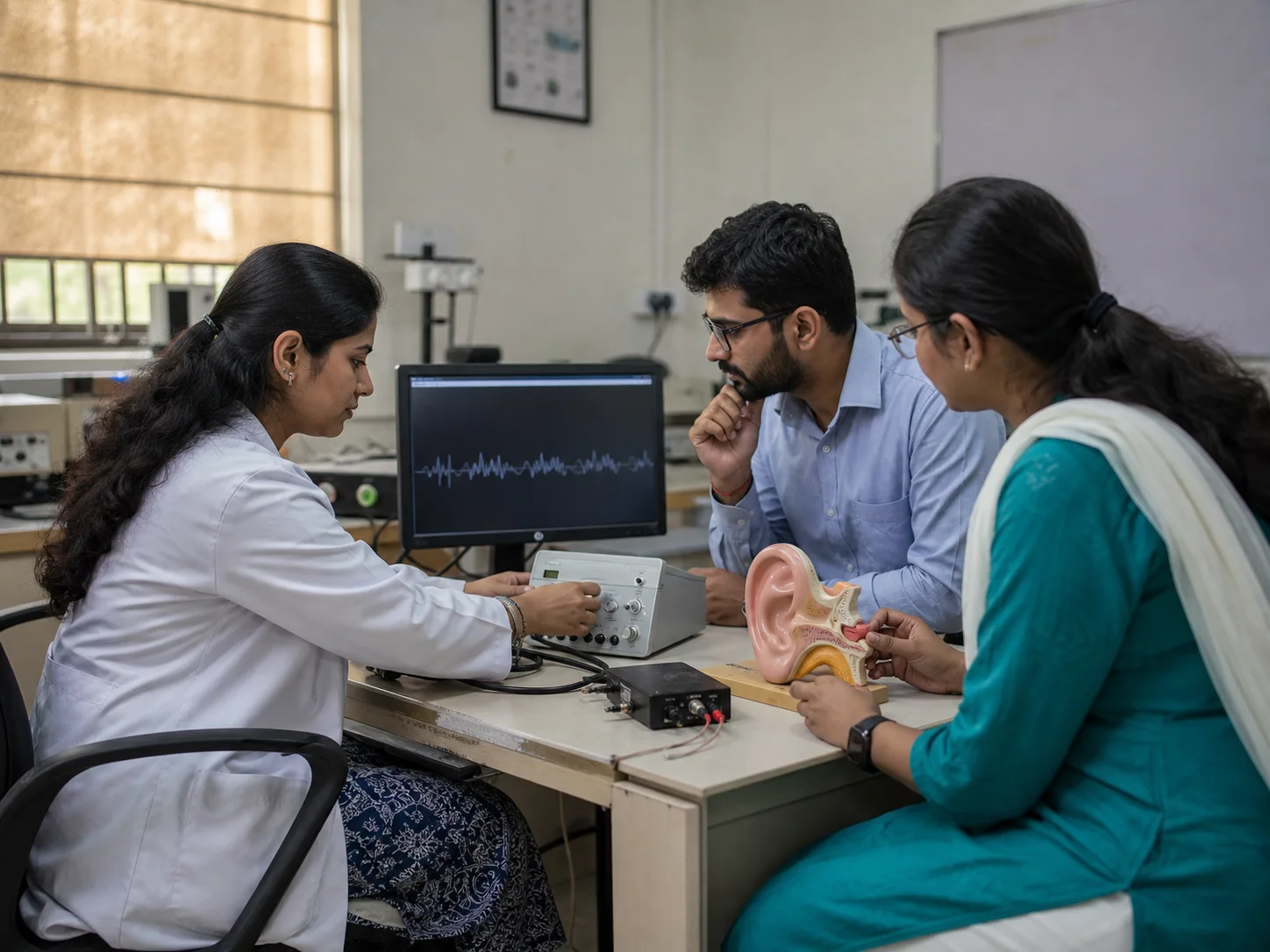
- 01Neonatal hearing screening technologies
- 02Automated auditory response extraction systems
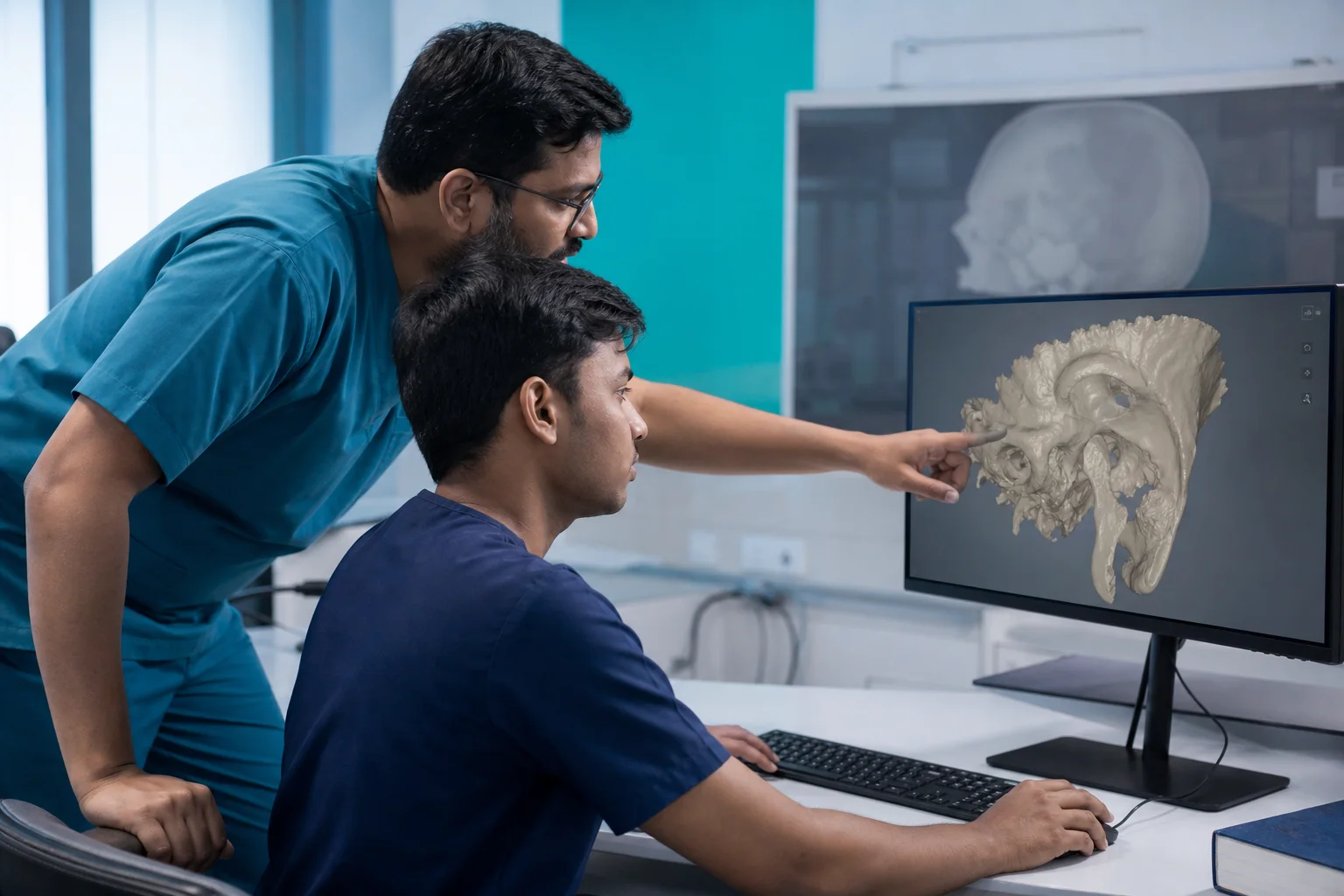
- 03Skull base anatomical research
- 04Translational hearing science
- 05Simulation-based surgical education
Long-term ambition
A digital ecosystem for surgical learning.
The Digital Skull Base Initiative is a future direction. The Foundation envisions connected learning tools and academic exchange, not a set of current platform capabilities.
- 01AI-assisted surgical education
- 02Virtual anatomy learning
- 033D skull base simulation
- 04Digital cadaveric platforms
- 05Cloud-based academic collaboration
- 06Tele-mentoring systems
- 07Global virtual classrooms
A framework for scientific contribution.
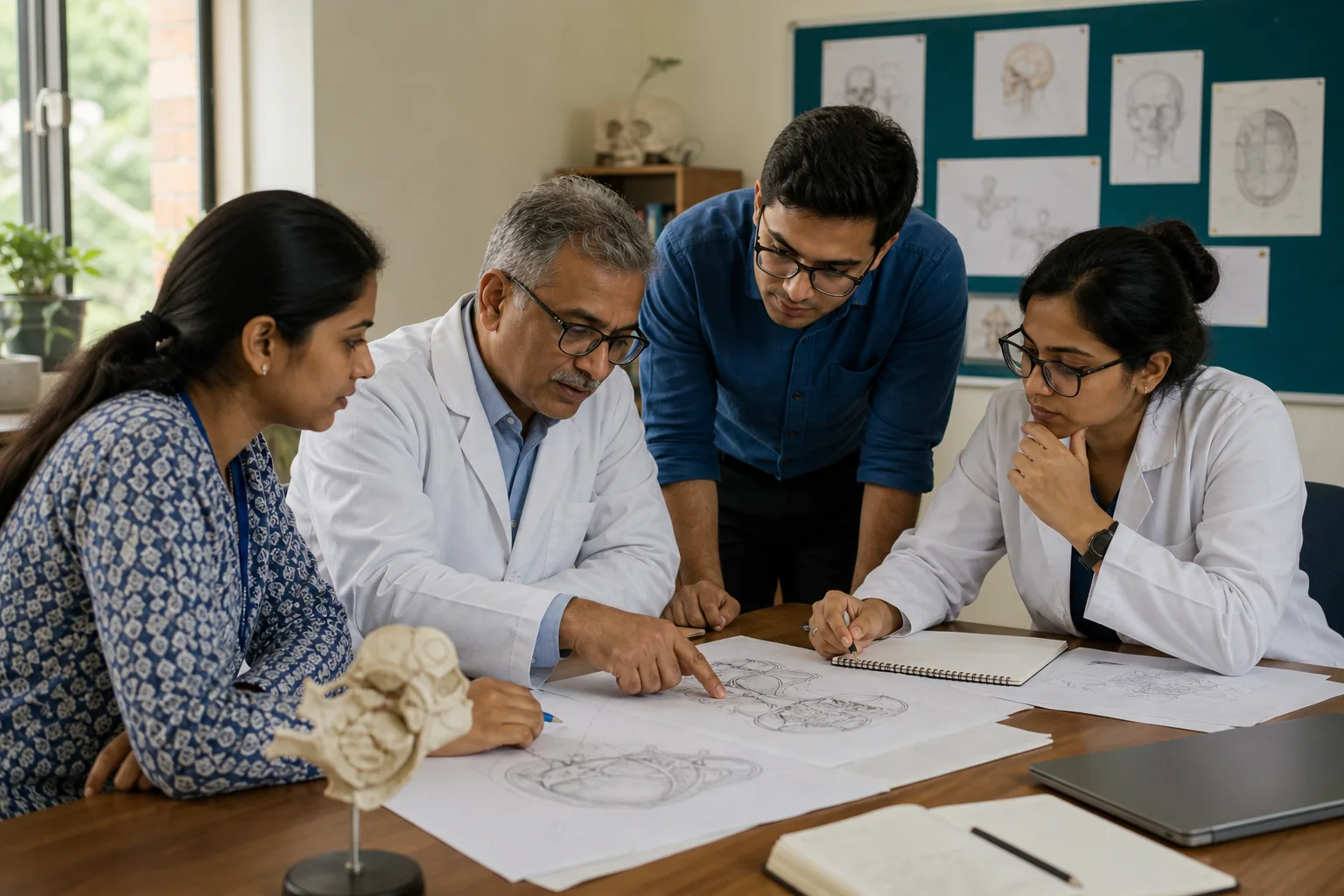
The Foundation promotes these forms of scientific work. Publication titles and citations will be added only when they can be verified.
Contribution pathways
- 01Peer-reviewed publications
- 02Multi-center collaborative studies
- 03Surgical outcome research
- 04Anatomical studies
- 05Translational hearing science research
- 06Educational innovation
Subject areas
- Skull base surgery
- Neurotology
- Hearing sciences
- Auditory implants
- Temporal bone anatomy
- Surgical innovation
Bring a useful question to the table.
We welcome conversations with academic institutions, research laboratories, biomedical engineering teams, and medical technology innovators.